Practical B2B Buying Knowledge

Glass Hardware & Screw Sourcing Guides

Use these practical checklists to identify products, prepare clearer RFQs and reduce avoidable mistakes when sourcing glass door hardware, shower rollers, hinges, stainless steel screws and related accessories.

Written for growing distributors: Focused on product matching, trial orders, mixed-item planning and repeat supply—not only large-volume purchasing.
Glass hardware and screws sourcing guides from CH Fasteners
Factory-based product knowledge
Distributor-focused checklists
Honest supply-route guidance
Clear RFQ preparation

Guide 01 · Glass Hardware

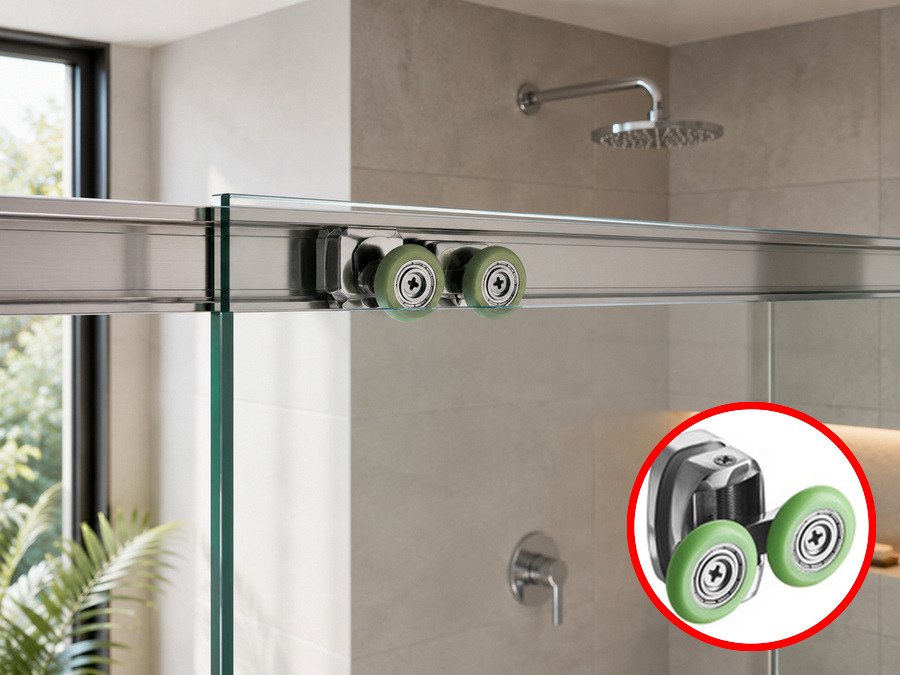
How to match a shower door roller

Rollers that look similar can differ in wheel diameter, offset, mounting hole, glass preparation and operating mechanism. A clear set of measurements is more useful than one front-view photo.

Best reference: Send the old roller or a physical sample when dimensions are difficult to measure or when the replacement must fit an existing glass cut-out.

Send these details

  • Clear photos of the front, rear, side and mounting area
  • Wheel diameter, wheel thickness and wheel material if known
  • Overall body dimensions and centre-to-centre measurements
  • Glass thickness, mounting-hole diameter and any glass cut-out
  • Single or double wheel, top or bottom position, left or right hand
  • Standard, adjustable, pop-up, panoramic or soft-close mechanism
  • Required material, finish, quantity and destination market

Guide 02 · Glass Hardware

How to specify a frameless shower door hinge

Hinge selection starts with the door layout and glass preparation. Mounting type, opening angle and cut-out compatibility must be confirmed before appearance and finish.

Do not rely on appearance alone. Two hinges with a similar cover shape may use different fixing positions, glass cut-outs or load arrangements.
ApplicationWall-to-glass, glass-to-glass, pivot or another door arrangement
Glass detailsGlass thickness, door width, door height and estimated panel weight if available
Glass preparationCut-out drawing, hole positions, edge distances or existing sample
MovementOpening angle, closing position, one-way or two-way operation and pre-set angle
ConstructionMaterial, fixing method, gasket arrangement and finish
EnvironmentIndoor, humid, frequently cleaned, coastal or another exposure condition

Guide 03 · Materials

304 vs 316 stainless steel: what buyers should confirm

Both grades are widely used, but the correct choice depends on the product design, exposure, cleaning, finish and customer requirement. Grade alone does not guarantee corrosion-free performance.

Practical rule: Confirm the actual environment and required documentation before quotation. Do not describe any stainless steel product as “rust-proof.”

Review the full application

  • 304 stainless steel: commonly considered for many indoor and general-purpose applications.
  • 316 stainless steel: commonly considered where chloride or more demanding corrosion exposure is a greater concern.
  • Surface finish, fabrication, contamination, contact with other materials, drainage and maintenance also affect service behaviour.
  • Outdoor, poolside, coastal and chemical-cleaning environments require more detailed review.
  • If a grade certificate, test report or particular standard is required, state it before the order is confirmed.

Guide 04 · Screws

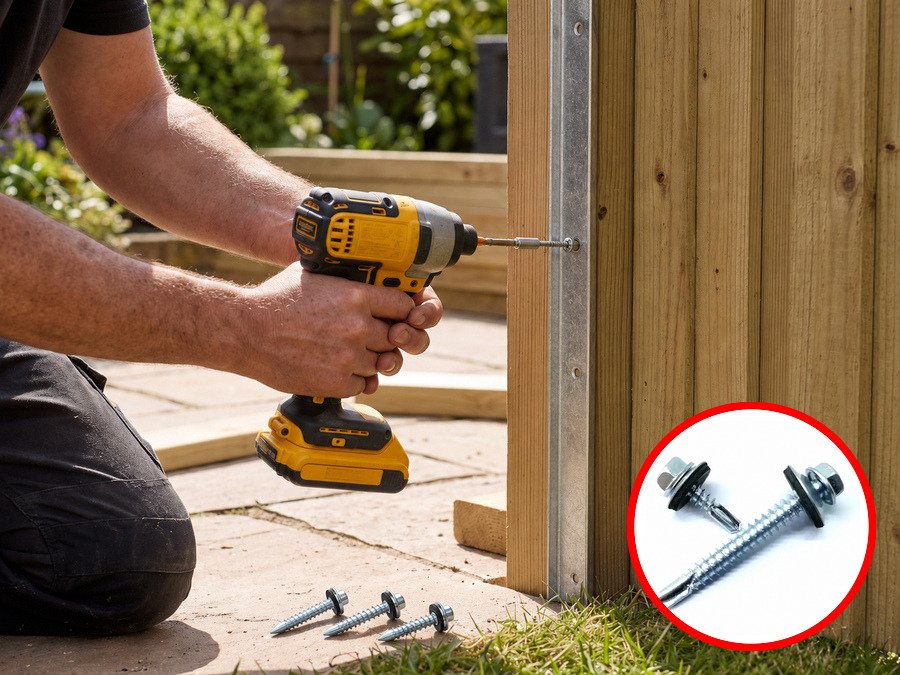
How to prepare a self-drilling screw RFQ

A useful RFQ describes the installed application—not only the screw length. The substrate and drilling requirement influence point selection, while the head and drive must match the assembly method.

Fastest matching route: Send the supplier product link or current screw sample together with a dimensional drawing and intended application.
ApplicationRoofing, sheet metal, framing, solar installation or another assembly
SubstrateMaterials being joined and the relevant material thickness range
DimensionsDiameter, length, thread length and any washer dimensions
GeometryHead type, drive type, point type and thread type
Material & finishStainless steel or carbon steel, coating, colour and appearance requirement
Commercial detailsStandard, quantity, packing, label, test or documentation requirement

Guide 05 · Distributor Orders

How to plan a mixed trial order

Mixed orders help growing distributors test a focused range, but each item may have a different MOQ, production route, finish requirement and lead time. Planning the range by commercial purpose makes the review easier.

Important: “Mixed order” does not mean every product can be supplied below its practical MOQ. Feasibility is confirmed item by item.

Build the order in four groups

  • Core sellers: products you expect to reorder regularly
  • Range builders: complementary items that complete an assortment
  • Trial items: limited products for testing market demand
  • Packaging items: labels, cartons, retail packs or assortment components
  • For every SKU, record quantity, specification, finish, packing and priority.
  • Identify acceptable alternatives before the quotation is finalised.
  • Allow the longest confirmed production item to guide the combined dispatch plan.

Guide 06 · Private Label

How to prepare OEM packaging for approval

Packaging should be treated as a controlled order specification. The approved artwork, material, dimensions, quantity, barcode and carton information should be clear before bulk packing begins.

Buyer responsibility: The buyer should confirm that brand assets, claims, warnings, barcodes and destination-market information are authorised and suitable for the intended market.

Packaging approval checklist

  • Packaging format: bulk, neutral, label, polybag, box, blister, kit or carton
  • Pack dimensions, material, colour and inner quantity
  • Final vector artwork, fonts, colours and placement
  • Product name, model, specifications and country-of-origin wording
  • Barcode type, barcode data and scannability approval
  • Warnings, instructions and destination-language requirements
  • Inner and outer carton marks, quantities and gross-weight limits
  • Signed sample, digital proof or reference pack used for production approval

Useful Next Steps

Turn a guide into a workable enquiry

Use the relevant checklist, add your current product reference and send the available information to Sam. Missing technical details can then be identified before quotation.

Product Range

Download the catalogue

Review the current glass hardware and fastener directions, then mark the products relevant to your market.

Visit Download Center →
RFQ Preparation

Request a quotation

Send links, photos, drawings, quantities, packaging needs and the delivery destination.

Open RFQ Page →
Direct Contact

Ask Sam a product question

Email or WhatsApp the product reference and the guide details you have already confirmed.

WhatsApp Sam →
Technical note: These guides are general RFQ-preparation tools, not engineering approval or a universal statement of product suitability. Final product selection, compliance, testing, installation and use must be evaluated for the specific application and destination market.

Have a product link, drawing or sample?

Send the available reference, required quantity, packaging preference and destination. We will help organise the missing details for product matching and quotation.