Application
Shower enclosure, sliding door, railing, furniture, deck, sheet metal, machinery or another defined use.
Glass Hardware · Screws · Accessories
Compare common material and surface-finish directions for glass hardware and screws. Final selection is confirmed by product design, installation environment, required appearance, quantity, packaging and destination-market requirements.
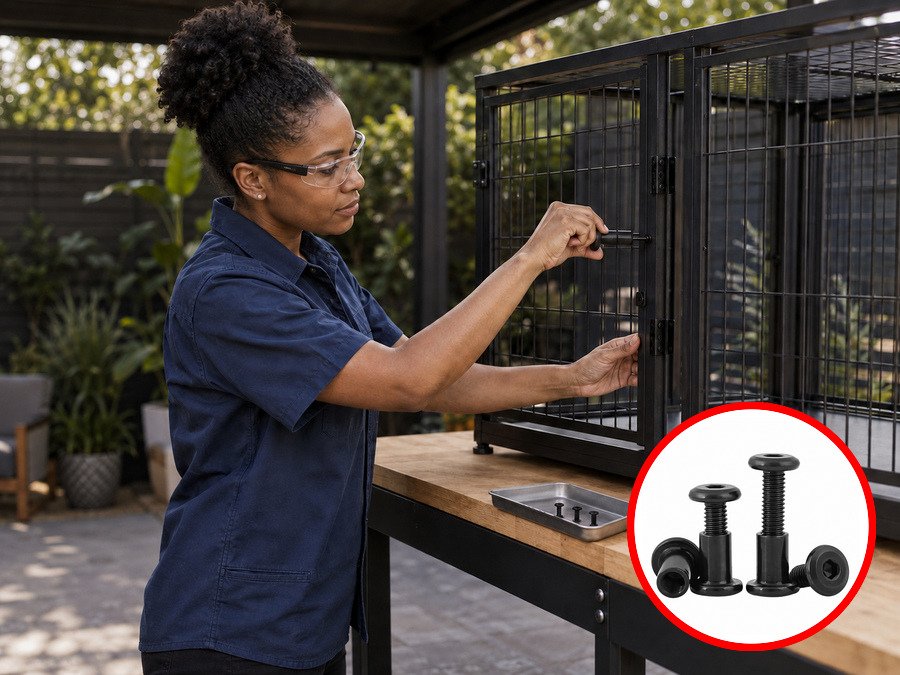
Selection Framework
A useful specification connects the base material, finish, environment, mating components and maintenance conditions.
Shower enclosure, sliding door, railing, furniture, deck, sheet metal, machinery or another defined use.
Indoor, humid, outdoor, coastal, poolside, industrial, chemically cleaned or frequently wet conditions.
Load, movement, drilling, thread engagement, contact materials, drainage and wear requirements.
Colour, gloss, texture, acceptable variation, sample reference and required cleaning method.
Common Base Materials
Availability depends on the individual product. The same material is not automatically suitable for every design, environment or load condition.
A widely used austenitic stainless grade for many indoor, general-purpose and moderately exposed applications. Product design, finish, contamination, cleaning and exposure still affect actual corrosion behaviour.
Common: glass hardware & screwsContains molybdenum and is commonly considered where resistance to chloride-related localised corrosion is a greater concern. It is not a universal guarantee against tea staining, pitting or corrosion.
Selected demanding environmentsCommon for screws requiring broad geometry and economical production. Corrosion protection depends on the selected plating, coating, thickness, application and handling.
Common: coated screwsUsed for selected hinges, clamps, handles and decorative fittings where machining, construction and finish requirements support the design. Confirm whether “brass” refers to solid brass or only a brass-colour finish.
Selected glass fittingsUsed for selected decorative or formed hardware components. Base-alloy quality, plating system, geometry and environment should be confirmed rather than judged from the external colour.
Selected componentsAluminium, engineering plastics and other steel or stainless grades may be used for particular tracks, guides, wheels, inserts or drilling applications. They are confirmed only for the relevant item.
Product-specific only304 vs 316
This comparison is an RFQ starting point, not an engineering approval or service-life guarantee.
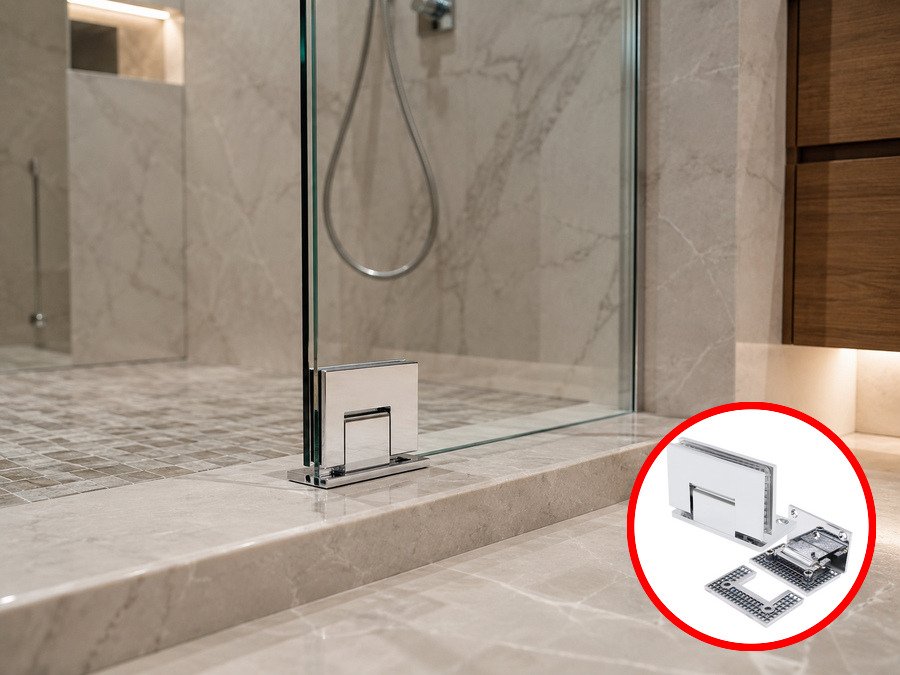
Glass Hardware Finishes
Finish names are useful for browsing, but they do not fully define colour, gloss, texture, base material or process. A physical sample or approved master reference is recommended when appearance matching is important.
Fastener Surface Treatments
Not every finish is available for every screw. Head geometry, thread fit, drilling function, strength level, coating process and destination requirements must be reviewed together.
Unplated stainless appearance, passivated condition where specified, and selected polished or coloured decorative treatments.
Selected carbon steel fasteners may use clear/blue, yellow, black or other zinc-plated systems. Colour alone does not define coating thickness or corrosion requirement.
Black phosphate, grey phosphate and black oxide may be selected for appearance, processing or application requirements, but should not be treated as universal outdoor corrosion solutions.
Mechanically applied or heavier zinc systems may be reviewed for selected products. Coating build, thread allowance, mating parts and the specified standard must be confirmed.
Non-electrolytically applied zinc-flake systems can be specified for suitable fasteners. The required standard, topcoat, lubricant and performance must be stated rather than replaced by a generic colour name.
Colour-matched heads and other decorative treatments can be reviewed where technically and commercially feasible. Provide an approved colour or physical reference.
Environment Review
Describe the actual exposure instead of using only “indoor” or “outdoor.”
Review function, appearance, cleaning, wear and contact materials.
Consider repeated wetting, trapped moisture, cleaners, crevices and ventilation.
Confirm rain exposure, drainage, pollution, temperature and maintenance access.
Identify chloride exposure, distance, splash, deposits, cleaning and visual expectations.
Provide cleaner type, concentration, frequency and any abrasive contact.
Prepare the RFQ
Separate technical requirements from preferences. This makes alternatives easier to review without changing a critical requirement.
Approval Process
Send the product, environment, quantity and destination.
Review base material, grade, finish, standard and documentation.
Use a sample, colour reference, drawing or written specification where needed.
Keep the approved material, finish and packing reference with the item.
Frequently Asked Questions
No. 316 generally offers better resistance than 304 to certain chloride-related localised corrosion, but grade alone does not guarantee corrosion-free service. Design, crevices, surface condition, contamination, temperature, chloride level, cleaning and maintenance also matter.
No. A polished, chrome, nickel or stainless-looking finish may be applied to different base materials. Confirm the base material separately from the finish name.
No. It does not fully define the coating system, thickness, post-treatment, topcoat, damage condition or test requirement. Provide the required standard or performance where it is important.
We can compare a physical sample or approved reference. Exact visual matching may be affected by base material, process, gloss, texture, lighting and batch variation, so an agreed tolerance or master sample is recommended.
A website photo is useful for initial direction but is not a reliable final colour standard because screens, lighting and image processing vary. Use a physical sample, approved finish chip or controlled colour reference where appearance is critical.
No. Document availability depends on the product and production route. State the exact certificate, test report or inspection requirement before quotation so feasibility, traceability and cost can be confirmed.
They can be reviewed, but each material and finish may have a separate MOQ, production route, colour approval and schedule. Mixed-order feasibility is confirmed item by item.
Send the product reference, application, environment, required appearance, quantity and destination. We will identify the details needed for an order-specific recommendation and quotation.